

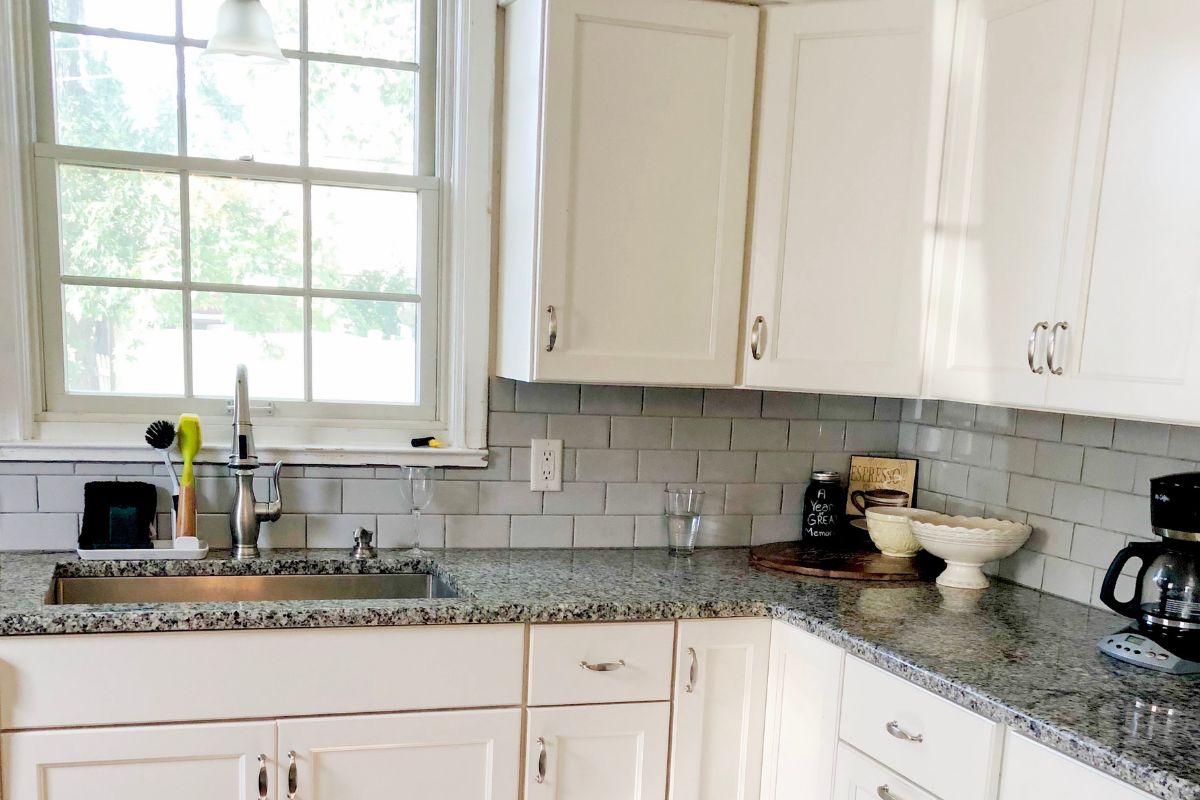
I’ve felt this drawing to really look for God in ordinary spaces. Social media makes it so easy to see the highlights, the mountain top experiences, as the norm of everyday life, and somehow, I must be missing out. Even the inside of someone’s home looks better than mine and makes me believe I must be somehow failing or less than because my life feels so ordinary.
You see a lovely day in someone’s life, but they left out the part where they fought with their spouse. You see the lovely images of someone’s homestead but behind them is a pile of clutter they didn’t include. This isn’t to say these people are bad for not showing their mess online. No. They don’t need to show anything they don’t want to–and that’s the whole point. You don’t see the whole of someone’s life through their Instagram so you don’t know that they have it better than you.
The noise of it all just overwhelms me, and I’ve longed for a deeper connection with my own heart and my own space and my own relationship with God, rather than scrolling and seeing bits and pieces from everyone else.
Tish shares such an amazing picture of the beauty of ordinary life when we take the time to look inside what we have and see the possibilities right there.
Her book, Liturgy of the Ordinary: Sacred Practices in Everyday Life, paints a lovely landscape of the sacredness of home.

From waking up in the morning, to fighting with her husband (whom she adores), to sitting in traffic, Tish draws out the practice of seeing God in all of it.
You see, it’s not about the greatness of our lives in the eyes of other people; it’s about the love with which we live our lives that makes it sacred, an offering to Christ. Which, in turn, makes it meaningful in ways social media could never define.
What we need to understand about our one [extra]ordinary life, Tish draws out:
“Before we begin the liturgies of our day—the cooking, sitting in traffic, emailing, accomplishing, working, resting—we begin beloved. My works and worship don’t earn a thing. Instead, they flow from God’s love, gift, and work on my behalf.”
She so wisely shares that our own transformation is done in our real life, where we actually are.
“We are shaped every day, whether we know it or not, by practices—rituals and liturgies that make us who we are.”
These habits can be intentional or not, but they shape us just the same.
This idea of daily liturgy has intrigued me. I have found myself overwhelmed by choice and fatigued by constant decision-making. The overabundance of possibilities and expectations of people fills up my time and capacity, so that God somehow gets snuffed right out. The day has passed, and I recount it, wondering how I missed spending time with Him and see Him in the sameness of yet another day. What am I allowing to push Him out?
Distraction. Weak boundaries. Impulsiveness.
Too much freedom can actually lead to bondage. Imagine that.
Zero discipline with the smartphone makes you its slave. When it creeps into my sacred time with God, it’s robbing me — and I’m allowing it.
Liturgy isn’t about being prisoner to traditions or schedules. Instead, it’s about recognizing the power of holy practice and sacred routine, not to check something off a list, but to remain focused on what matters most.

It always comes down to the posture of the heart. If you practice liturgy because you believe it will secure your salvation, you miss the point. You practice liturgy because you want a greater awareness of His presence and fewer distractions, so you can have more of God and less noise from the world.
What is liturgy exactly? Well, the word has evolved a bit, but the idea remains. In its more traditional setting, it is the structured worship and prescribed set of rites, ceremonies, and prayers used for public worship.
People have since taken some liberties with it and believe that it can be applied to the repeated practice of our daily lives when done as an offering or in conjunction with the Lord. I have to agree. Worship isn’t limited to a weekly visit to church. It should encompass all of life. The sacredness of practicing a liturgical life is born from a desire to carry Him in everyday life. Because, as Annie Dillard so simply and profoundly stated, how we live our days is how we live our lives.
This practice won’t be for everyone—that is the beauty of freedom. But, if you struggle to stay focused, if you don’t have enough time, if you can’t see God in your everyday life, learning the practice of liturgy, of holy ritual, can be amazingly beneficial to practicing the presence of God.
“I would urge everyone to be aware of God’s constant presence, if for no other reason than because His presence is a delight to our souls and spirits.” -Brother Lawrence
If you feel stuck inside your habit of daily life, the words penned in this book will help you see God in places you may not have even thought to look.
Folding laundry and making dinner day after day sure can feel mundane and unspiritual. But Tish reminds us,
“We recall and reenact Christ’s life poured out for us, and we are transformed into people who pour out our lives for others.”
I’ve come to learn more about and appreciate the beauty of living out liturgy in everyday life. It’s permission to create these sacred boundaries and recognize the built-in rituals that make our lives a lovely aroma to the Lord when our hearts are set on Him and for Him.
When you open your eyes in the morning, rather than thinking of the drudgery of an empty mile-long to-do list, you can see endless opportunities for offering your life to the Lord and the people you love, one sacred task at a time. And the gift is, you can practice this every day, and choose whether to do it with gratitude for your one, beautiful life or grumble about what you think you’re missing out on.
Seeking Him,
Christin



Leave a Reply